
 Order today for delivery by
 Sushi Canvas Prints
Sushi art swings between tight photographic close-ups of nigiri and roe and flat, graphic maki rolls in bold blocks of colour. It suits kitchens, dining walls and any spot that could use appetite and a bit of humour. Building a food wall? Ramen canvas prints bring steam and warmth, chopsticks canvas prints add a quieter line, and wider Japan canvas prints can anchor the whole group.


No products found
More Fab art curations





Food Wall Ideas From The Frame
More on sizing, framing and hanging art in kitchens and dining rooms from The Frame, Fab's blog.
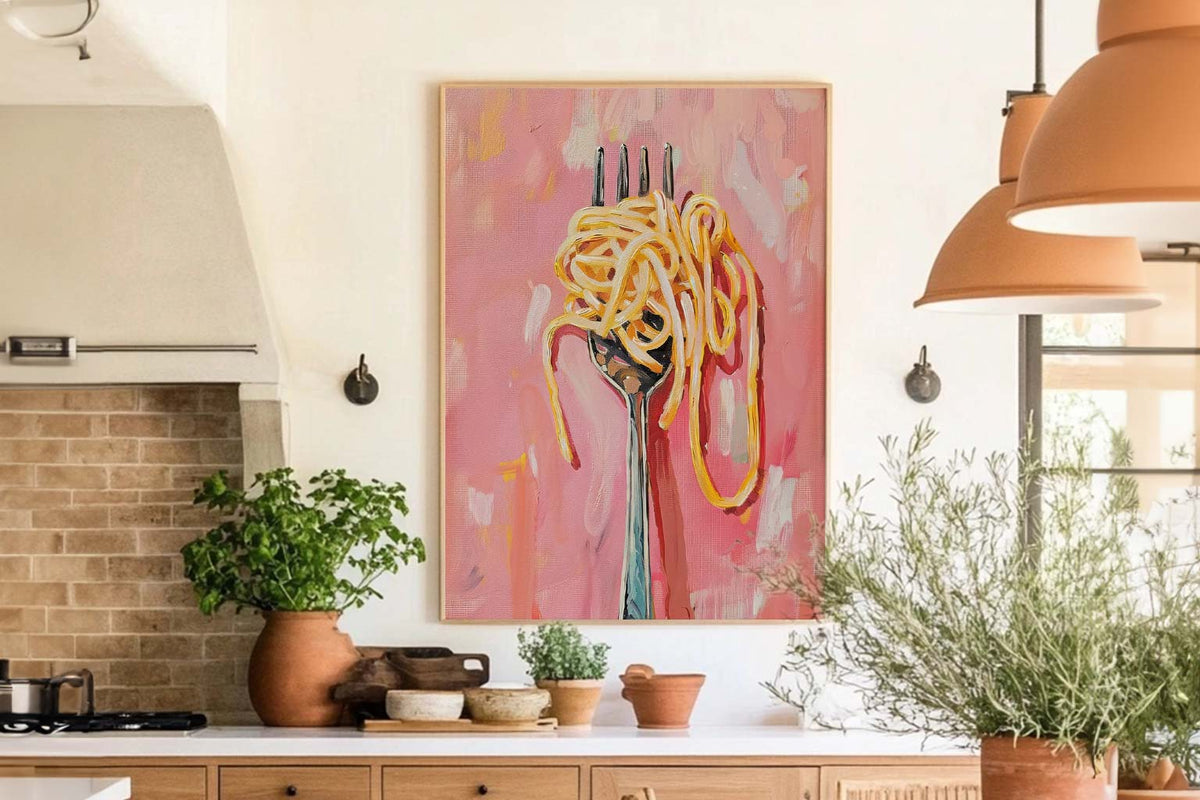
The Best Wall Art for Kitchens and Dining Spaces
Your kitchen isn't just for cooking. Your dining room isn't just for eating. These are the spaces where life happens. Where you have your morning coffee, where friends gather around...
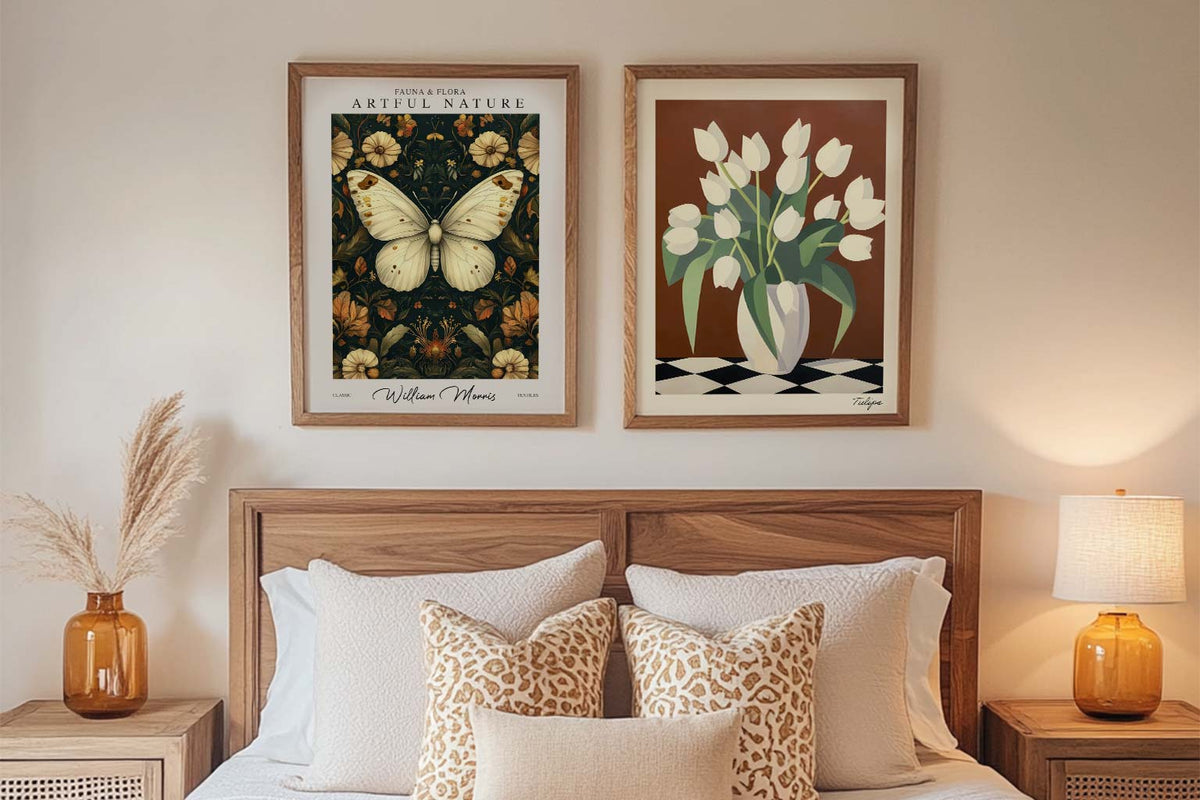
Starter Art Prints for First-Time Buyers
A blank wall can be intimidating. You know you want art, but where do you even start? You scroll through endless options online, walk through galleries feeling lost, or stare...
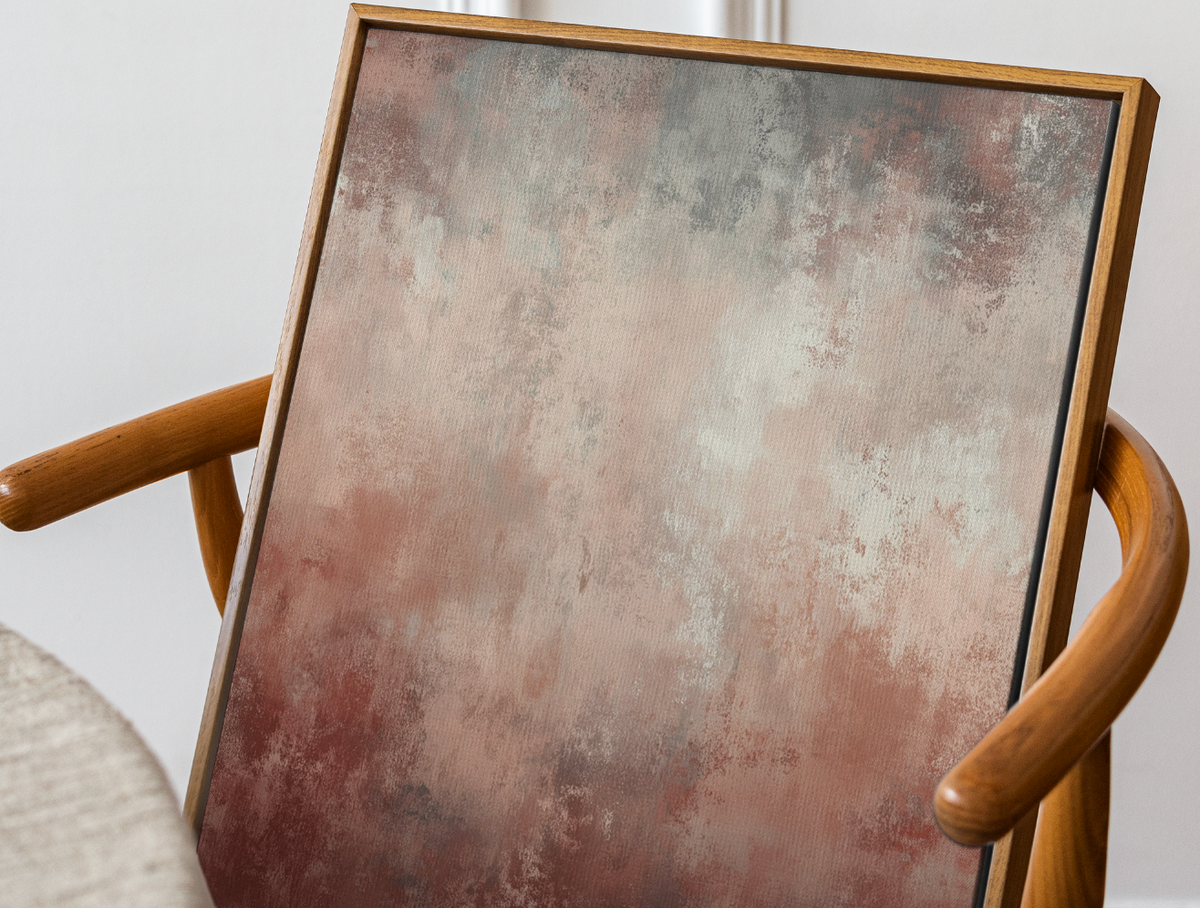
Canvas vs Paper Prints: Pros and Cons
You're looking at the same beautiful image in two different formats. Canvas print or paper print? They look similar in the thumbnail, but you're wondering if one is actually better...
 Still deciding on a sushi print



Short answers on framing choices, picking a size for kitchen walls, delivery and the returns window