
 Beställ idag, leverans senast
 Vintage eller moderna konsttryck för köket? Så matchar du konsten med ditt köks personlighet
A decision framework for choosing kitchen art that actually fits the room you cook in.


De flesta guider om kökskonst säger att du ska ’välja det du älskar’ och lämnar dig där. Det är inte ett råd, det är en axelryckning. Den verkliga frågan är om ditt kök lutar åt vintage eller modernt – och när du vet det blir valet mellan en botanisk plansch från 1920‑talet och ett djärvt abstrakt motiv mycket enklare.
Två läger, ett kök: argumenten för vintage respektive modernt
Vintage-motiv för köket lutar åt nostalgi. Gamla marknadsscener, handmålade botaniska illustrationer, retro matreklam, blekta citrusstudier. De får ett kök att kännas inbott redan innan du har lagat något. De antyder att rummet har en historia, även om du flyttade in så sent som i mars.
Moderna köksmotiv gör tvärtom. De tar plats, introducerar kontrast och drar blicken till en tydlig fokuspunkt snarare än att bygga stämning i lager. Djärva abstraktioner, minimalistiska linjeteckningar, högkontrastad matfotografi, geometriska tryck. Mindre berättande, mer visuell markering.
Inget av dem är bättre. Det som spelar roll är vilket som stöttar köket du redan har. Ett slankt, handtagslöst kök med kvartsskivor och pendelbelysning kommer att krocka med en sepiatonad botanisk plansch. Ett Shaker-kök med mässingskranar och öppna hyllor kommer att se obekvämt ut under ett neonfärgat Pop Art-abstrakt. Matcha konsten med arkitekturen, så löser sig resten.

Vintage-köksmotiv: vad de är och vilka köksstilar de passar
När vi säger vintage-konsttryck menar vi ett specifikt visuellt ordförråd: botaniska planscher från 1700- och 1800‑talen (citrus, fikon, örter, fänkål), franska marknadsscener, italienska stilleben, antika frökatalogillustrationer, vintageaffischer för vin och råvaror, mjuka akvarellstudier av frukt och grönt. Nedtonade paletter. Sepia, kräm, salvia, terrakotta, dov rosa, ockra. Synlig pappersstruktur. Känslan av något som tryckts en gång, sedan tryckts igen, och till sist ramats in av någons mormor.
De här motiven hör hemma i kök med inbyggd värme. Shaker- och lantkök är det självklara valet. Målade luckor i salvia, bruten vit eller mjukgrått, bänkskivor i trä eller marmor, en Belfast‑ho, beslag i mässing eller åldrat nickel. En inramad botanisk plansch av kronärtskockor eller en vintage-citrusstudie ovanför bänken ser ut som om den alltid har suttit där.
Lantliga kök, stugkök och traditionella kök med speglade luckor och varma trätoner fungerar också utmärkt. Likaså ’modern rustik’ – kök som blandar synlig tegel, återvunnet timmer och naturtextilier. Den blekta paletten i ett vintage-tryck plockar upp rummets patina.
En sak att undvika: tupp-och-höna-skolan av vintage-kökskonst. Tuppar på röd gingham, tecknade grisar med köttyxa, allt som ser ut att vara köpt vid ett loppisbord längs landsvägen 1997. Det finns en tydlig gräns mellan vintage som upplevs tidlöst och vintage som känns daterat – och skillnaden handlar oftast om huruvida bilden har genuina konsthistoriska rötter (botaniska planscher, renässansens stilleben, äkta vintage-reklam) eller bara är en modern pastisch av ’country charm’.
Den botaniska genvägen
Om du är osäker på var du ska börja är botaniska tryck det säkraste insteget på den vintage-tonade skalan. De passar i nästan alla traditionella kök, färgpaletten är naturligt nedtonad och de upplevs som genomtänkta snarare än tematiska. Ett par fikon- eller olivstudier i 30x40cm ovanför en kaffestation gör mer än tre tuppar någonsin kan.
Modern kökskonst: hur den ser ut och när du ska våga ta i
Moderna köksmotiv lämnar den dova, nostalgiska paletten helt. Tänk djärv färgblockning, monokroma linjeteckningar av frukt eller kaffekoppar, abstrakta former i primärfärger, högkontrastad svartvit fotografering av olivoljepåhällningar eller espresso, geometriska mönstertryck, typografidriven konst. Stämningen är grafisk, självsäker och här-och-nu.
De hör hemma i kök som redan gjort en tydlig stilmässig markering. Samtida, minimalistiska kök med handtagslösa luckor, integrerade vitvaror, skivor i vit kvarts eller mörk sten. Mid-century modern-kök med valnötsfaner, avsmalnande ben och beslag i atomålderns stil. Industriella kök med exponerad betong, hyllor i stål och burpendlar. Skandinaviskt avskalade kök med ljust trä och mycket negativt utrymme.
Tumregeln: ju mer återhållen arkitekturen i ditt kök är, desto mer kan konsten göra jobbet. Ett minimalistiskt kök utan överskåp och med en enda svävande hylla ber om ett stort 70x100cm abstrakt ovanför matplatsen – inte en klunga småtryck.

Mid-century-kök är intressanta eftersom de står med en fot i varje läger. De har värme (trä, senap, bränd orange, oliv) men också grafisk självsäkerhet (rena linjer, starka former). Moderna tryck med en lätt retro palett – tänk grafiska 1960-talsaffischer, abstrakta former i senap och teal – fungerar strålande här. Du kan bläddra i vår bredare kollektion av moderna konsttryck för att se vad vi menar med grafiskt utan att bli kallt.
Mistet att undvika med moderna tryck är att välja något som känns gjort för ett kontor. Företagsmässig motivations-typografi, generiska grå-på-grå abstraktioner, allt som skulle kunna vara en bildbankskliché. Sofistikerad modern konst har ett tydligt uttryck. Utslätad modern konst har varit på för många möten.
Att blanda vintage och modernt: när det fungerar och när det bara blir rörigt
Att blanda de två är möjligt, men det kräver en regel. Utan en sådan får du ett kök som läses som obeslutsamt snarare än eklektiskt.
Den renaste regeln är enad färgpalett. Om din vintage-botaniska och ditt moderna abstrakt delar palett (säg salvia, kräm och rost) kan de hänga på samma vägg och kännas avsiktliga. Om den ena är sepia-och-ockra och den andra elektrisk rosa och svart har du två bråk samtidigt.
Den andra gångbara regeln är konsekventa ramar. Identiska ramar över radikalt olika verk skapar en omedelbar visuell länk. Sex tryck i blandade stilar, alla i samma svarta 30x40cm-ram, kommer att läsas som en samling. Samma sex tryck i sex olika ramar kommer att läsas som en skräplåda.
Den tredje regeln är hierarki. Välj en dominerande stil (säg 80% vintage) och använd den andra som accent. En modern linjeteckning bland fem botaniska planscher känns som en avsiktlig motvikt. En 50/50‑mix gör det sällan.
Transitional-kök – de som blandar Shaker-luckor med industriella pendlar, eller marmor med matt svarta beslag – är faktiskt de bästa kandidaterna för att mixa stilar. De har redan åtagit sig att överbrygga två världar, så konsten kan göra detsamma.
Ramar som förstärker din stil
Val av ram är inte en slutkläm. Det är halva beslutet.
Ramar i ek och naturträ drar allt de ramar in åt vintage-hållet. Den varma ådringen, synliga kvistar och den lätta ojämnheten i riktigt trä förstärker känslan av ålder och hantverk. Ett modernt abstrakt i ek blir varmare, mjukare, mer hemtamt. En botanisk plansch i ek blir självklar.
Svarta ramar drar allt åt modernt. De skärper kanter, ökar kontrasten och signalerar ’galleri’ snarare än ’arvegods’. En vintage-botanisk i svart ram slutar kännas som den hör hemma i en stuga och börjar kännas kurerad, nästan redaktionell. Det här är ett av de mest användbara knepen om du älskar vintage-bilder men bor i ett samtida kök.
Vita ramar hamnar mitt emellan, med en svag dragning åt modernt. De försvinner mot ljusa väggar och låter verket tala. Bra för skandinaviskt och minimalistiskt där du vill att trycket nästan ska kännas oramat.
Våra ramar är i massivt FSC‑certifierat trä (ingen MDF, ingen fanér) med UV‑skyddande akrylglas i stället för vanligt glas. Akryl är verkligen värt att beakta i ett kök: lättare att hänga, svårare att slå sönder och – viktigast – det förhindrar blekning även i starkt dagsljus som kök ofta får. Glas krossas; akryl gör det inte.
Ett praktiskt tips värt att flagga för: inramade tryck levereras med upphängning monterad, rätt anpassad, och skickas i en och samma låda med verket. Du slipper det vanliga scenariot där ramen kommer separat från bilden och slår sig under frakten. Just den detaljen är varför många ger upp om inramad konst i kök.
Färgmatchning: varma vintagepaletter vs. högkontrastiga moderna toner
Vintagepaletter är varma, lågmälda och analoga. Sepia, kräm, salvia, terrakotta, dov rosa, ockra, urtvättad indigo, oliv. De plockar upp naturmaterial vackert: bänkskivor i ek, mässingskranar, linnehanddukar, keramik, synlig tegel. Om ditt kök bygger på jordtoner och naturliga ytor bör din konst ligga i samma palett – inte bryta in.
Moderna paletter delar sig i två läger. Högkontrastlägret är svart, vitt och en djärv accent – ofta rött, kobolt, senap eller smaragd. Det monokroma lägret är en enda färg utdragen över flera valörer: bara grått, bara kräm, bara svart. Båda funkar i moderna kök; båda ser malplacerade ut i traditionella.
Det enklaste färgtestet: ställ dig i köket och identifiera de tre färger som redan dominerar. Luckornas färg, bänkskivans färg, beslagens färg. Din konst ska antingen eka två av de tre (säkert, harmoniskt) eller medvetet kontrastera mot alla tre (djärvt, självsäkert). Vad den inte ska göra är att introducera en fjärde slumpmässig färg utan relation till resten.

Våra favoriter just nu: vintage-köksmotiv
Några spår att utforska i kollektionen kökskonsttryck om du lutar åt vintage.
Botaniska planscher över ätliga växter. Fikon, oliver, citrus, örter, kronärtskockor. De fungerar i nästan vilket traditionellt kök som helst och blir fina i par eller trio i 30x40cm. Detaljrikedomen i ett museikvalitativt giclée‑tryck på matt papper är verkligen värd att se på nära håll – fin linjeföring och färgskiftningar som går förlorade på skärm.
Franska och italienska marknadsscener. Mjuka akvareller eller gouachestudier av grönsaksstånd, caféfasader, vinrader. De adderar berättelse utan att vara bokstavlig ’kökskonst’. En marknadsscen i 50x70cm ovanför matbordet förankrar hela rummet.
Antika stilleben. Nederländska kompositioner med frukt och vilt, renässansens bröd-och-vin‑studier, florala arrangemang från 1600‑talet. De läses som seriös konst snarare än dekorativa kökstryck – vilket är precis varför de fungerar ovanför ett skåp eller i ett matlagnings‑/matrum.
Vintageaffischer för råvaror. Tidiga 1900‑talets citrusetiketter, vinregionkartor, originalinspirerad olivolje‑reklam. Lekfullare än botaniska motiv, men fortfarande tydligt vintage. Bäst som enskilda statement‑pjäser snarare än i tavelvägg.
Våra favoriter: moderna köksmotiv värda en titt
Om du går modernt finns fyra spår som fungerar särskilt bra.
Minimala linjeteckningar. Enlinjesteckningar av frukt, kaffekoppar, vinglas, köksredskap. De känns aktuella, är lätta att leva med och passar små väggytor mellan skåp där ett stökigt motiv skulle kännas trångt. Bäst i vita eller tunna svarta ramar i 30x40cm.
Djärva färgblock-abstraktioner. Stora geometriska former i två eller tre självklara färger. De kräver skala för att fungera – helst 70x100cm eller större på canvas. Canvas är särskilt bra här eftersom den speglade kantlindningen gör att färgen fortsätter runt sidorna, vilket ger en ren, gallerilik finish utan ram.
Samtida matfotografi. Högkontrast, närbilder på sprickande granatäpplen, rinnande olivolja, espresso-crema. Knepet är att välja bilder som känns konstnärliga snarare än bildbanksmässiga. Leta efter oväntade beskärningar, dramatisk ljussättning, enskilda motiv.
Grafisk typografi. Enstaka ord eller korta fraser i starka typsnitt. Trampa varsamt – det här är den lättaste kategorin att missa med. Undvik allt som låter som en slogan. Välj hellre menyer på andra språk, vintage-typografiska affischer tolkade i moderna färgställningar, eller abstrakt typ som fungerar som form snarare än budskap.

En sista tanke
Beslutet mellan vintage och modern kökskonst handlar inte om vilken som är mest smakfull. Det handlar om vilken stil ditt kök redan har valt – vare sig du märkt det eller inte. Titta på luckorna, beslagen, bänkskivan, golvet. Köket har berättat vad det vill hela tiden. Din uppgift är att lyssna – och sedan välja det tryck som håller med.

Fab-produkter som visas i denna blogg
-

Poster köksredskap – lekfull illustration i lavendel och plommon
Försäljningspris Från 186,00 kr266,00 kr -

Poster lekfullt modernt köksmotiv
Försäljningspris Från 186,00 kr266,00 kr -

Poster lekfulla köksredskap
Försäljningspris Från 186,00 kr266,00 kr -

Poster moderna köksredskap
Försäljningspris Från 186,00 kr266,00 kr -

Canvastavlor modern oas i köket
Försäljningspris Från 744,00 kr1 062,00 kr -
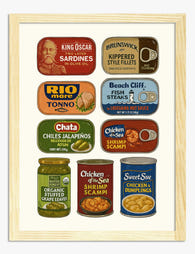
Poster retro skaffericharm
Försäljningspris Från 186,00 kr266,00 kr -

Poster solbelyst kök i vintagestil
Försäljningspris Från 186,00 kr266,00 kr -

Canvastavlor kök i linjeteckning med färgklickar
Försäljningspris Från 744,00 kr1 062,00 kr -

Poster italienska köksklassiker
Försäljningspris Från 186,00 kr266,00 kr -
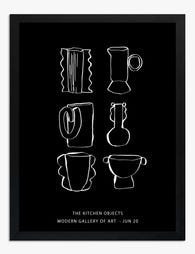
Poster stilrent köksmotiv i svartvit linjeteckning
Försäljningspris Från 186,00 kr266,00 kr -

Poster livfull kökskänsla
Försäljningspris Från 186,00 kr266,00 kr -
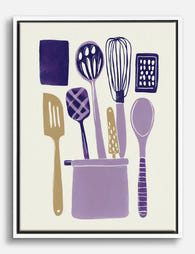
Canvastavlor med moderna köksredskap
Försäljningspris Från 744,00 kr1 062,00 kr -

Canvastavlor moderna köksredskap i varma lila toner
Försäljningspris Från 744,00 kr1 062,00 kr -

Canvastavlor köksfavoriter i blått
Försäljningspris Från 744,00 kr1 062,00 kr -

Canvastavlor lekfulla linjer för köket
Försäljningspris Från 744,00 kr1 062,00 kr -

Poster Matisse-inspirerat köksmotiv
Försäljningspris Från 186,00 kr266,00 kr -

Poster Kitchen Rules – svartvit texttavla för köket
Försäljningspris Från 186,00 kr266,00 kr -

Poster färgsprakande urban köksmotiv
Försäljningspris Från 186,00 kr266,00 kr


Mer från The Frame

Den kompletta guiden till att skapa en sofistik...
En tavelvägg med kattmotiv står och faller med själva mekaniken, inte med motiven. Konsekventa ramar, exakta avstånd och ett genomtänkt ankare gör mer för din komposition än hur mycket konst...

Våra favoritset för fågeltavelväggar i sex ramar
Sex är den gyllene mittpunkten för en fågeltavelvägg. Tillräckligt många ramar för att kännas genomtänkt och rejält, men få nog för att du ska kunna hänga upp allt på en...

Inramning av William Morris-tryck: val av trä, ...
Morris ritade mönster för hela rum, inte för vykort. Det spelar roll när du ramar in hans verk, för fel ram kan förvandla ett viktorianskt botaniskt mästerverk till visuellt brus....