
 Order today for delivery by
 Best Dog Wall Art for Every Room (Not Just the Hallway)
A room-by-room playbook for displaying dog art that looks gallery-worthy, not gift-shop.


Dog art has an image problem. For decades it's been treated as something you tolerate in a downstairs loo or tuck behind a coat rack, as if loving your dog is a quirk to be hidden rather than celebrated. We disagree, and so does every interior designer who's ever placed a serious piece of animal art above a serious piece of furniture.
Why dog art deserves prime real estate (not the spare room)
The reason most dog art ends up in the hallway is that most dog art is bad. Crowded compositions, novelty slogans, cartoonish breeds posed in sunglasses. If that's your reference point, of course you're hiding it next to the umbrella stand.
But a well-printed, well-framed dog portrait belongs in the same conversation as any other figurative artwork. Animal painting has serious art-historical pedigree, from George Stubbs to Lucian Freud's whippets to David Hockney's dachshunds. The trick is choosing pieces with compositional weight, then treating them with the same care you'd give a landscape or abstract.
That means real sizing decisions, real hanging heights, and frames chosen for the room rather than the subject. Get those three things right and dog art stops reading as novelty and starts reading as taste.

Living room: the statement dog print above the sofa
The space above the sofa is the most valuable wall in your home. It's the first thing guests see when they walk in, and it sets the tone for everything else. Putting a single, large dog print there is a confident move, and confidence is what separates intentional decor from hesitant decor.
For a standard three-seater sofa (around 200cm wide), you want one piece roughly two-thirds the width of the sofa. That puts you in the 70x100cm range, which is the largest standard size for framed art prints and the right scale to anchor the room. Anything smaller than 60x80cm above a full-size sofa will look stranded.
Hang the centre of the print 145 to 150cm from the floor, and aim for a 15 to 20cm gap between the bottom of the frame and the top of the sofa back. Closer than that and it feels cramped. Further and the print starts to float away from the furniture it's meant to be anchored to.
Choosing the right style for the living room
Photographic dog art works beautifully in living rooms because there's enough distance for the detail to read properly. A close-cropped portrait of a single dog, shot in natural light against a soft background, has the same gravitas as a human portrait and far more warmth.
If your living room leans traditional (panelled walls, a proper fireplace, antique furniture), an illustrative or painterly piece in a wider profile frame in oak or walnut feels right. For a modern living room with cleaner lines, go for a high-contrast photographic print in a slim black or natural ash frame. The frame should match your existing wood tones or hardware, not the dog.
One thing to avoid: don't choose a piece where your dog's specific breed is the entire point. You want compositional appeal first, breed recognition second. The best living room wall art earns its keep visually whether or not the viewer knows or cares about Bernese Mountain Dogs.
Hallway: creating a dog-themed gallery wall that greets you at the door
Hallways are narrow, often poorly lit, and walked through rather than lingered in. That makes them ideal for gallery walls, where the eye is meant to travel rather than rest on a single image.
A dog-themed gallery wall in a hallway works precisely because the space invites a sequence. You walk past, picking up one image after another, the way you'd move through a small exhibition. The trick is restraint: a cohesive palette, a consistent framing approach, and a mix of sizes that creates rhythm rather than chaos.
How to lay it out
Start with one anchor piece around 50x70cm, then build out with three to five smaller pieces in 30x40cm and 21x30cm. Keep 5 to 8cm of space between frames. Closer than 5cm and it reads as cluttered. Further than 10cm and the wall stops feeling like a single composition.
For a hallway, hang the centre of the overall arrangement (not each individual piece) at 150 to 155cm from the floor. Hallways are seen standing up and moving, so you can hang slightly higher than in a living room without it feeling off.
Mix photographic prints with illustrative ones, but keep the colour palette tight. If you're working with warm tones (sepia, ochre, soft browns), don't drop a cool blue print in the middle and hope it works. It won't. Browse hallway wall art ideas with the palette in mind from the start, and consider pre-curated wall art sets if you want the spacing and palette decisions made for you.

Lighting the hallway
Hallways rarely have natural light, so accent lighting matters more here than anywhere else. A small picture light above the anchor piece, or a pair of wall sconces flanking the gallery, transforms the wall from forgettable to focal. UV-protective acrylic glazing means you can light prints directly without worrying about fading, which matters if you've splashed out on something you want to keep.
Home office: the print your colleagues will ask about
Your colleagues will see the back wall of your home office more than they'll see your face. Make it count.
A single dog print, sized 40x50cm or 50x70cm, positioned over your shoulder, becomes a recurring character in every video call you take. It's also a genuine conversation starter, which is useful in a working context where small talk has gone slightly extinct since everyone went remote.
Hang it so the bottom of the frame sits about 20cm above your head when you're seated. That's typically 130 to 140cm from the floor depending on your chair height. Too high and it's cropped out of the frame. Too low and it haloes you in a way that flatters no one.
What to choose
Offices are the one room where graphic, illustrative dog art genuinely outperforms photography. Bold lines, flat colour, slight stylisation. It reads cleanly through a webcam (where photographic detail often gets muddied) and signals personality without dominating the call.
A sleek black frame keeps it crisp and professional. Avoid anything ornate or vintage in this context, as it tends to look fussy on camera. If you work in a creative field, you have more licence: a moodier, painterly piece in a wider walnut frame can work brilliantly behind a designer or writer.
Prepare a one-line answer for the inevitable question, by the way. "It's our old greyhound, Marlo" lands better than a five-minute origin story.
Bedroom: why a muted or illustrative dog print works here
Bedrooms have a different job than the rest of the house. They need to feel calm, low-stimulation, and slightly removed from the energy of daily life. A bright, high-contrast photographic dog portrait is the wrong choice here, however much you love the dog in question.
What works in a bedroom is dog art that operates as texture rather than focal point. Soft watercolours, pencil studies, low-contrast black and white photography, abstract pieces where the dog is implied rather than centred. The print should reward a second glance rather than demand the first one.
For above the bed, scale up: 60x80cm or 70x100cm centred over a standard double, hung 15 to 20cm above the headboard. For a chest of drawers or dressing table, drop down to 40x50cm or 50x70cm and hang it 15cm above the surface.
Frame and palette
Match the frame to your bedroom's wood tones (the bed frame, the floor, any built-ins) rather than to the print itself. In a bedroom with painted built-ins and pale linen, an unframed canvas in soft, muted tones can be the right call. The matte canvas surface absorbs light rather than reflecting it, which suits the lower-lit, calmer mood of a bedroom.
If the rest of your bedroom palette is cool (greys, blues, soft whites), choose a dog print in the same temperature. Warm sepias and ochres against cool walls create visual friction, which is the last thing you want in a room designed for sleep.

Sizing and hanging height cheat sheet for each room
This is the section to bookmark.
Living room (above sofa)
- Size: 60x80cm to 70x100cm for a standard sofa
- Centre height: 145 to 150cm from the floor
- Gap above sofa: 15 to 20cm
- Style: photographic or painterly, single statement piece
Hallway gallery wall
- Anchor piece: 50x70cm
- Supporting pieces: 30x40cm and 21x30cm
- Spacing between frames: 5 to 8cm
- Centre of arrangement: 150 to 155cm from the floor
Home office
- Size: 40x50cm or 50x70cm behind your seat
- Bottom of frame: 20cm above your seated head height
- Style: graphic, illustrative, sleek frame
Bedroom (above bed)
- Size: 60x80cm to 70x100cm over a double bed
- Above headboard: 15 to 20cm
- Style: muted, low-contrast, soft palette
Bedroom (above dresser)
- Size: 40x50cm to 50x70cm
- Above surface: 15cm
- Style: matches above
Dining area
- Size: 50x70cm to 70x100cm
- Centre height: 145cm if seated dining, 150cm if a console
- Style: bold enough to hold attention across the room
The principle behind all of this: hanging height is determined by how the room is used. In rooms where you sit (living room, dining room, bedroom), hang lower so the piece reads at seated eye level. In rooms where you stand and move (hallway, kitchen), hang slightly higher.
Framed vs unframed: which finish suits which space
The framed-or-unframed question gets asked a lot, and the honest answer is that both work, but in different rooms.
When to choose framed prints
Framed prints look more polished and more permanent. They're the right choice for living rooms, hallways, dining rooms, and home offices, anywhere you want the art to feel considered. A solid wood frame with UV-protective acrylic glazing also protects the print indefinitely, even in rooms with strong natural light.
Acrylic glazing matters more than people realise. Real glass is heavy, fragile in transit, and reflects more light. Acrylic is lighter, shatter-resistant, and clearer at non-direct angles, which means you actually see the print rather than your own reflection. It also means a 70x100cm framed piece arrives in one box, properly fitted, ready to hang, rather than as a flat-pack project that warps the first time the heating comes on.
When to choose canvas
Canvas suits bedrooms, bathrooms, kitchens, and any room where you want a softer, less reflective finish. The matte poly-cotton surface absorbs light rather than bouncing it, which gives canvas a warmer, more textile quality on the wall.
Canvas is also lighter, which matters for large pieces (a 100x150cm canvas is genuinely manageable to hang solo, where the same size in a glazed frame is a two-person job). And because canvas uses mirrored edge wrapping, none of the main image gets cropped at the sides, which is particularly important for portrait-format dog photography where you don't want to lose part of an ear.
The trade-off is that canvas reads less formal. In a panelled living room with traditional furniture, a framed print will almost always look more at home. In a relaxed bedroom or a sunlit kitchen, canvas often looks better.

A few last things worth getting right
Don't over-theme. One dog piece per room, two at most, and never matched as a pair. The goal is a home where dog art appears as part of a broader visual story, not a home that announces "dog people live here" before you've taken your coat off.
Mix dog art with other subjects on gallery walls. A dog portrait next to a landscape, a still life, or an abstract reads as art. Five dog portraits in a row reads as a theme.
And buy for the dog you have now, but choose pieces with enough compositional strength to outlast the specific phase you're in. A great print of your current dog should still feel right on the wall in ten years, in a different home, possibly alongside a portrait of whichever dog comes next.

Fab products featured in this blog
-

Colorful Canine Crew Art Print
Translation missing: en.products.product.sale_price From £13.99£19.99 -

Cool Canine Chic Canvas Print
Translation missing: en.products.product.sale_price From £44.95£74.95 -

Cozy Canine Companions Canvas Print
Translation missing: en.products.product.sale_price From £44.95£74.95 -

Cool Canine Vibes Canvas Print
Translation missing: en.products.product.sale_price From £44.95£74.95 -

Minimalist Dog Portrait Art Print
Translation missing: en.products.product.sale_price From £13.99£19.99 -

Charming Canine Companions Art Print
Translation missing: en.products.product.sale_price From £11.95£19.95 -

Stylish Canine Companions Canvas Print
Translation missing: en.products.product.sale_price From £44.95£74.95 -

Charming Canine Companions Canvas Print
Translation missing: en.products.product.sale_price From £44.95£74.95 -

Stylish Canine Charm Canvas Print
Translation missing: en.products.product.sale_price From £44.95£74.95 -

Watercolor Dachshund Muse Art Print
Translation missing: en.products.product.sale_price From £13.99£19.99 -

Quiet Canine Contemplation Art Print
Translation missing: en.products.product.sale_price From £13.99£19.99 -
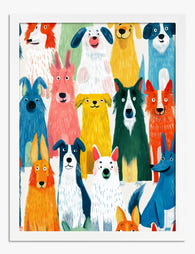
Colorful Pups Parade Art Print
Translation missing: en.products.product.sale_price From £13.99£19.99 -

Pastel Dogs Matisse Style Art Print
Translation missing: en.products.product.sale_price From £11.95£19.95 -

Loyal Gaze Canvas Print
Translation missing: en.products.product.sale_price From £55.99£79.99 -

Thoughtful Hound Art Print
Translation missing: en.products.product.sale_price From £13.99£19.99 -

Sitting Dachshund Charm Canvas Print
Translation missing: en.products.product.sale_price From £55.99£79.99 -

Modern Pup Portrait Canvas Print
Translation missing: en.products.product.sale_price From £55.99£79.99 -
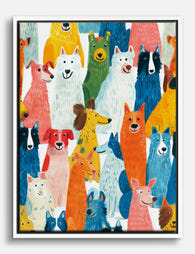
Playful Pups Parade Canvas Print
Translation missing: en.products.product.sale_price From £55.99£79.99 -

Joyful Pup Sketch Art Print
Translation missing: en.products.product.sale_price From £11.95£19.95


More from The Frame

How to Decorate with Traditional Art in a Moder...
You love a Vermeer interior or a moody Dutch still life, but you live in a flat with white walls, a low-slung sofa, and a concrete pendant light. You're worried...

Building a Gallery Wall Around Kusama-Inspired ...
Most gallery walls fail because every print is competing for attention. A Kusama-inspired centrepiece fixes that instantly. The bold pattern becomes your anchor, and everything else gets to relax around...

How to Build a Gallery Wall Around Empowering A...
You bought one empowering print, maybe two. They mean something to you, and now you want to build a proper gallery wall around them without diluting their impact or ending...