
 Order today for delivery by
 The Wildlife Obsessive
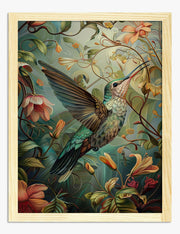
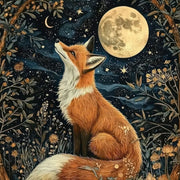
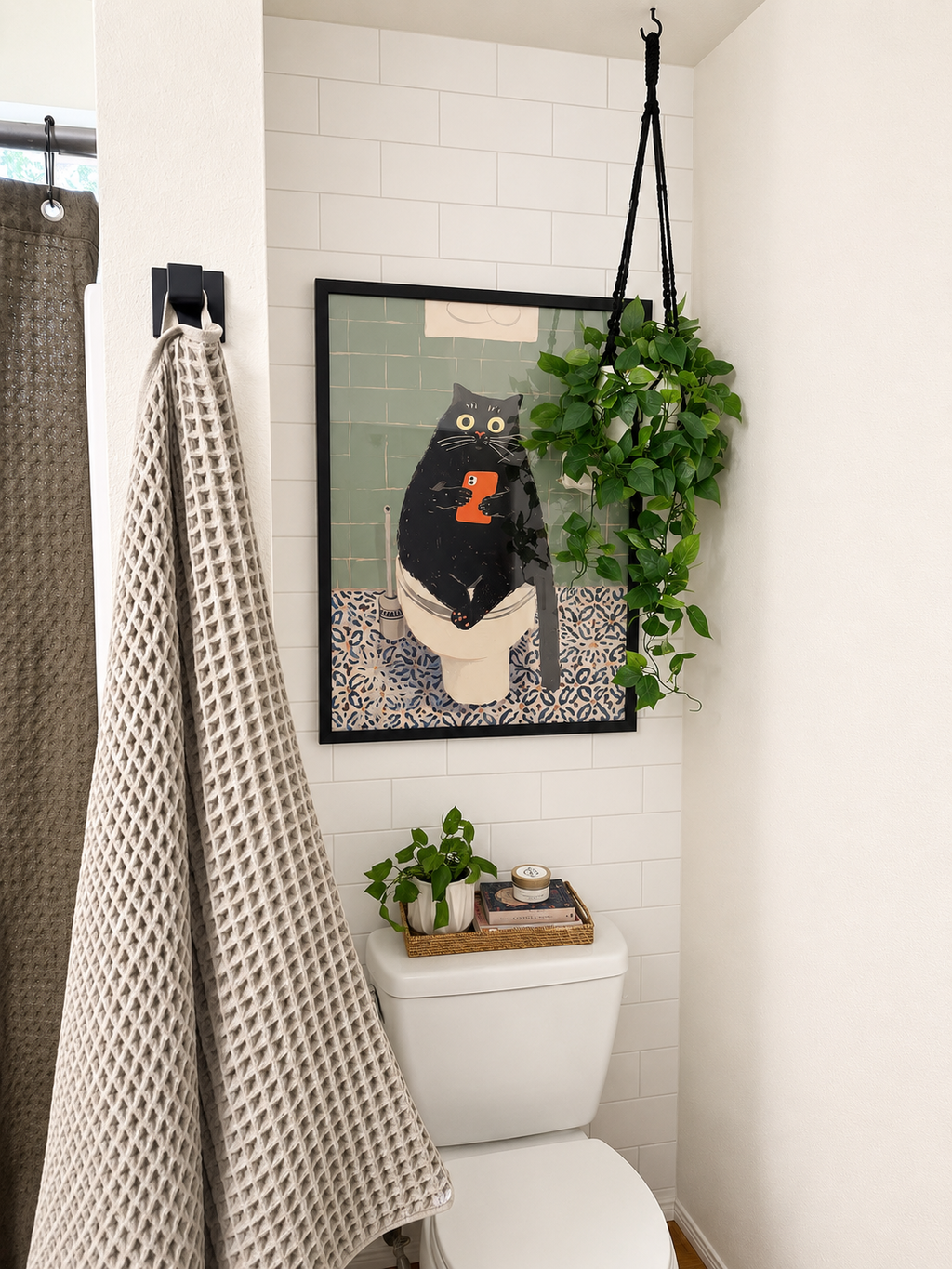
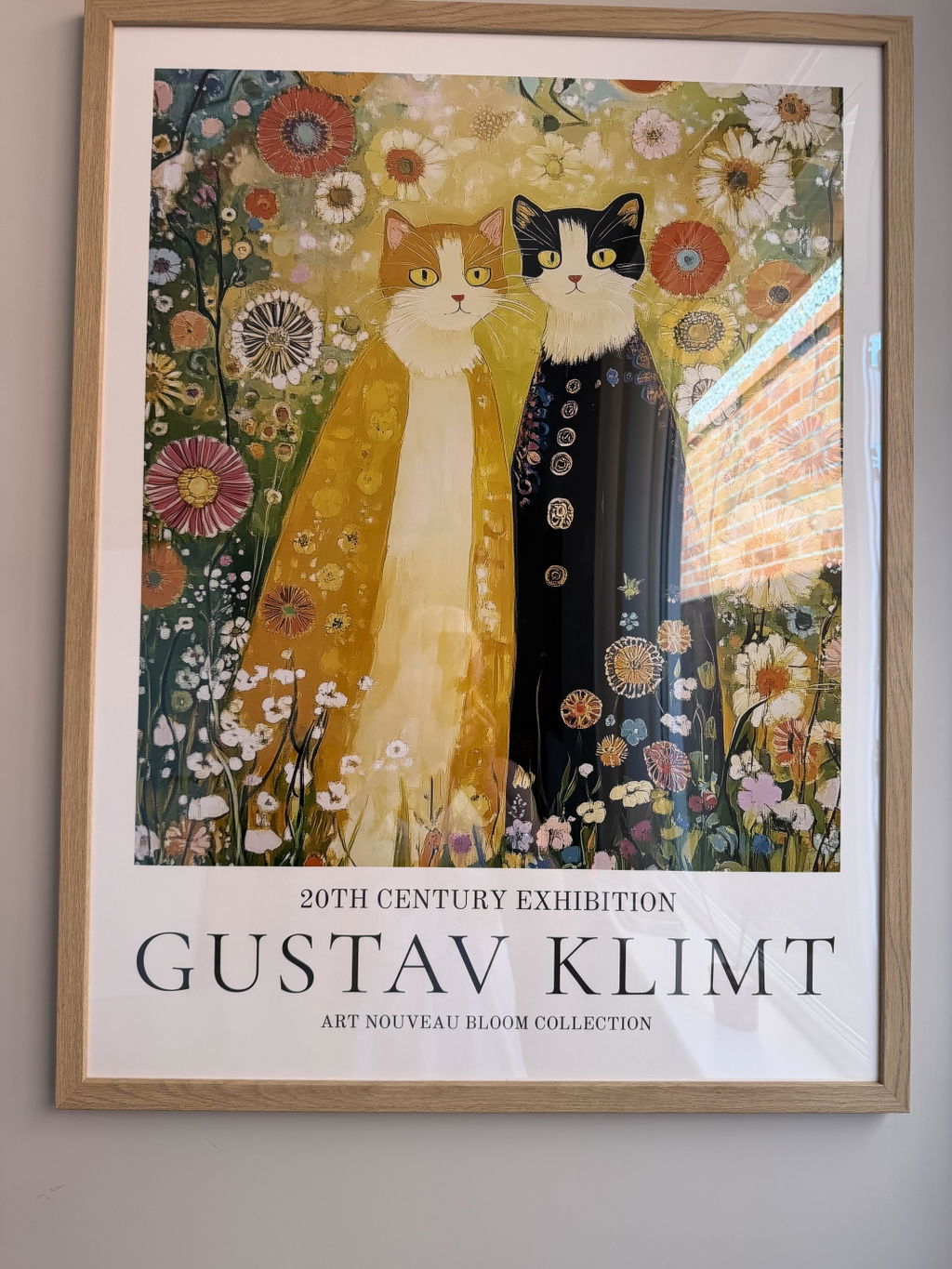
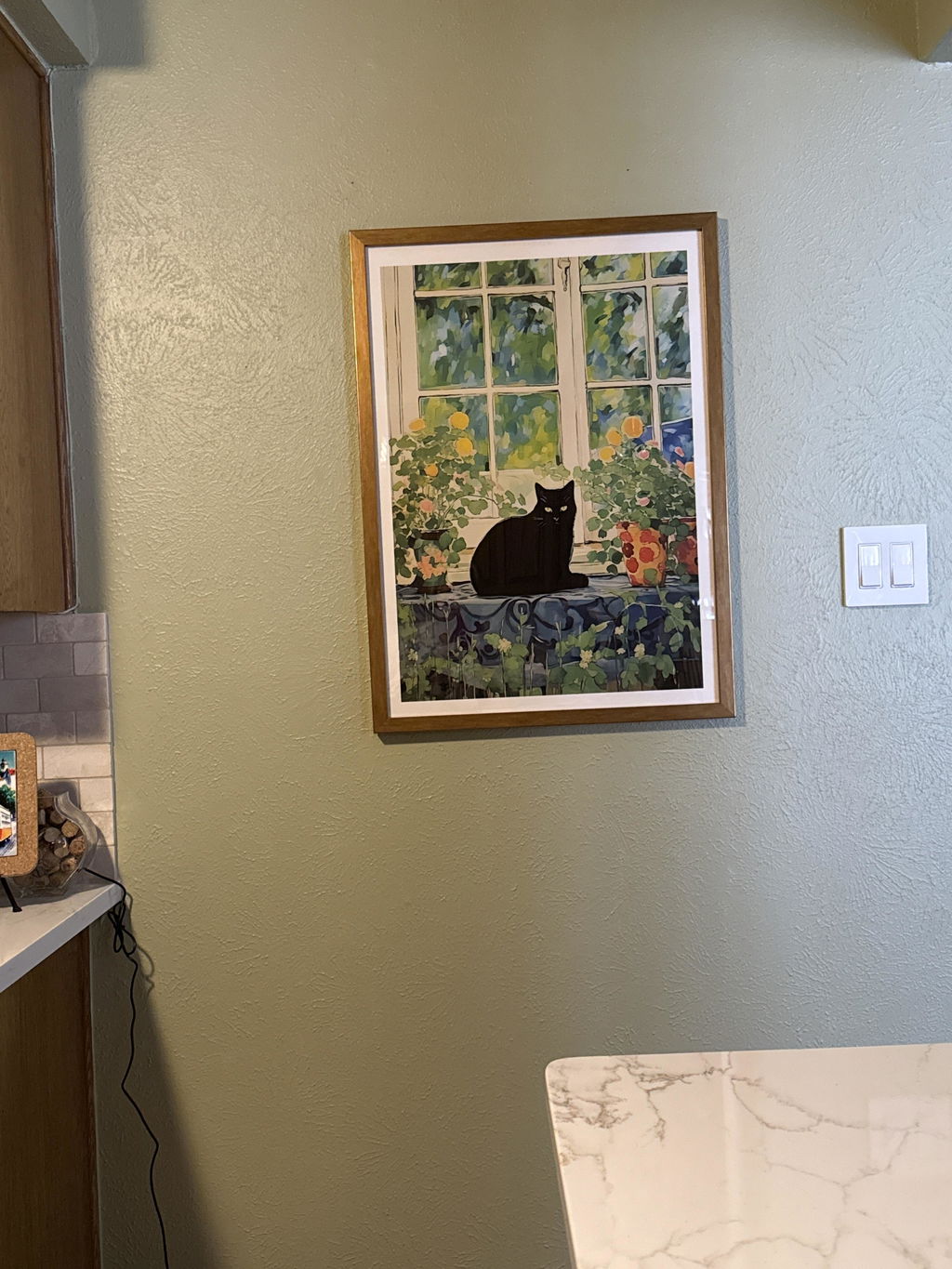
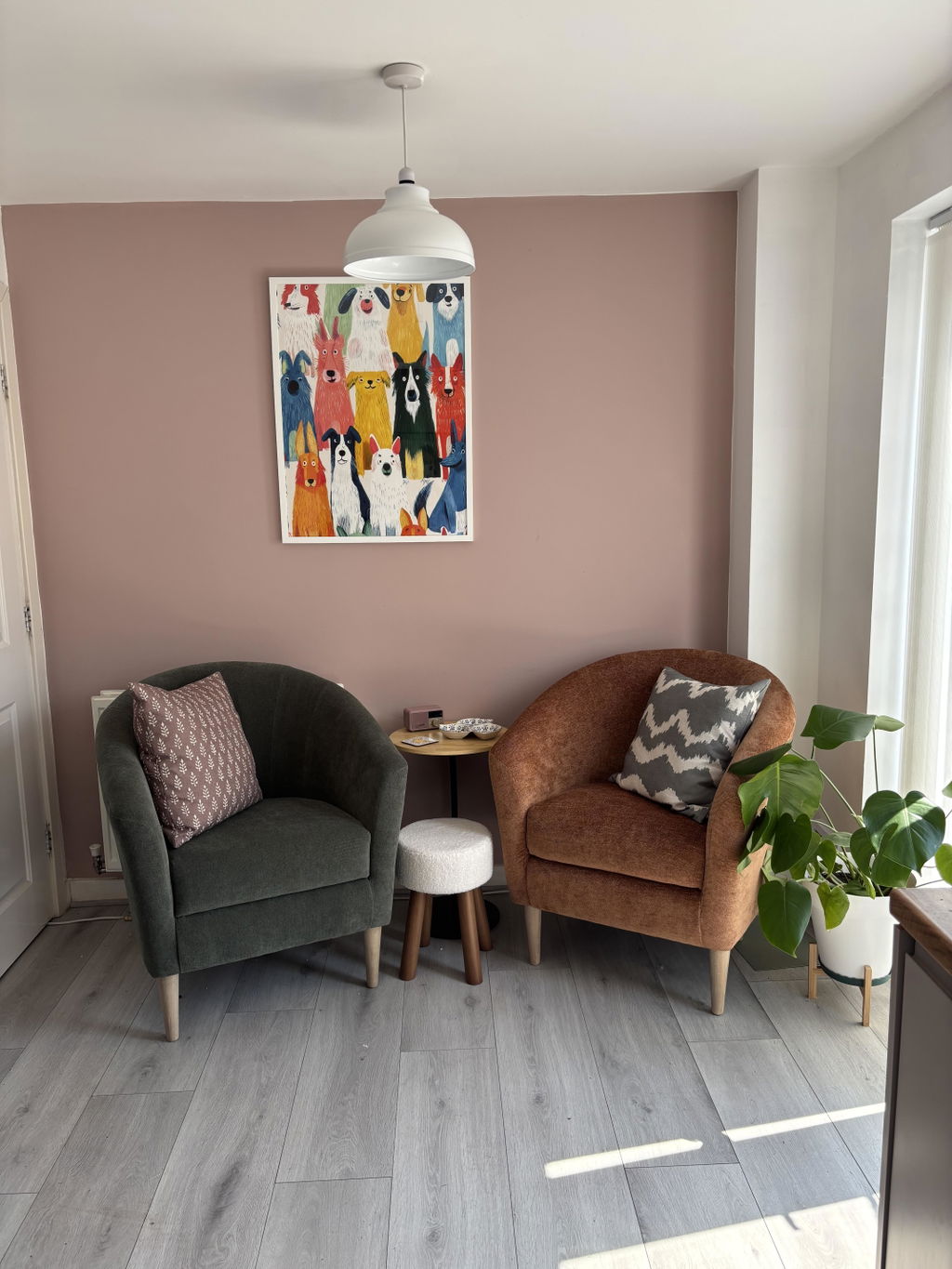
For the person who stops mid-conversation to point at a bird. This is animal art with actual character, hummingbird art prints caught mid-hover, big-eyed hares, foxes, whales, and the odd bit of cartoon humour that suits a downstairs loo more than a living room wall. Pick by the creature they'd talk about first. Framed pieces arrive ready to hang, and they've got 99 days to change their mind.


Black Cat in the Blue Net Bag Canvas Print
More Fab art curations





Hanging in 100k+ homes
What people say about The Wildlife Obsessive
Auto-generatedHumorous animal artwork, attractive colour, and suitability for bathrooms or other home spaces recur across the reviews.
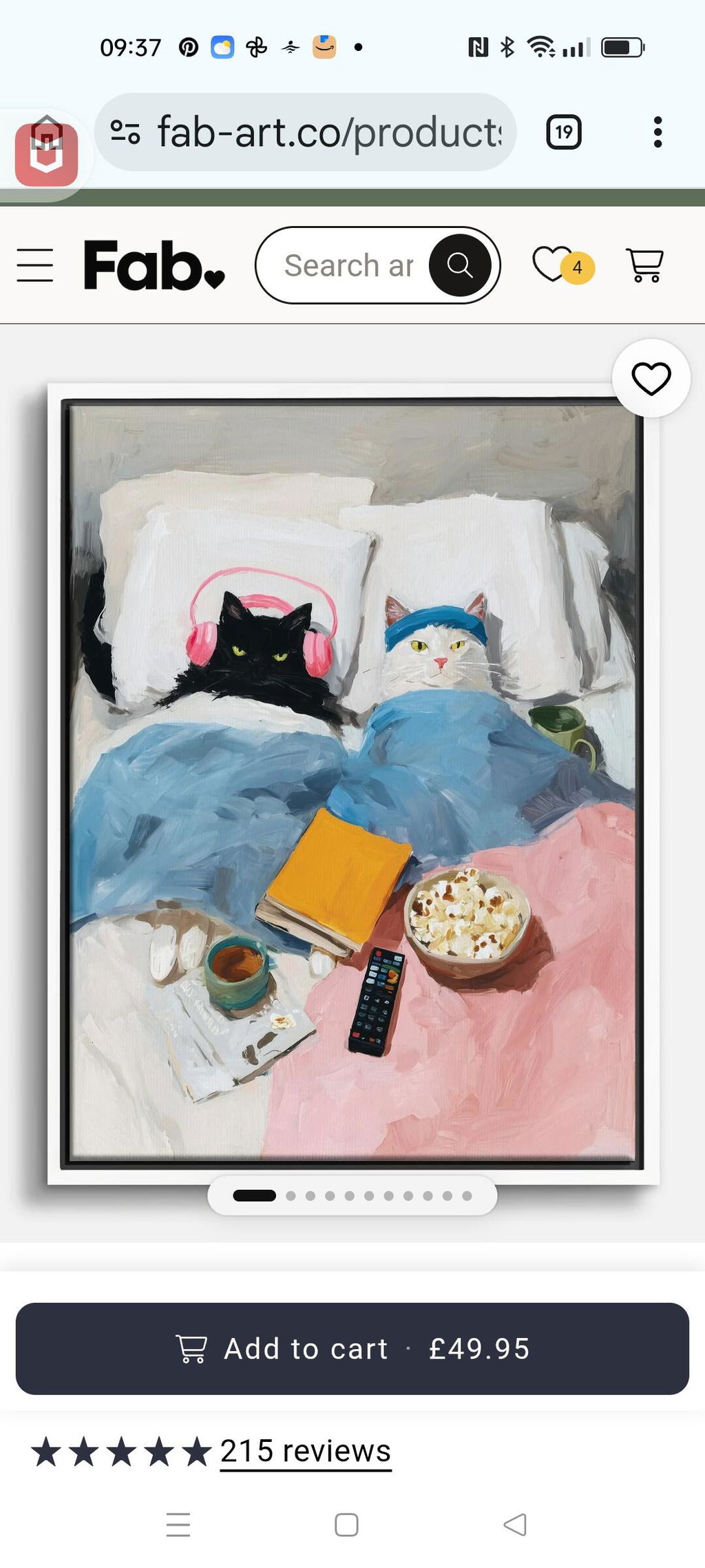
Cosy Cat Movie Night
I absolutely love it.😻 The artist certainly has a good sense of humour. So much so that I have already placed two more orders. ❤️🐾
 Reviewed
Cosy Cat Movie Night Art Print →
Reviewed
Cosy Cat Movie Night Art Print →
Love it
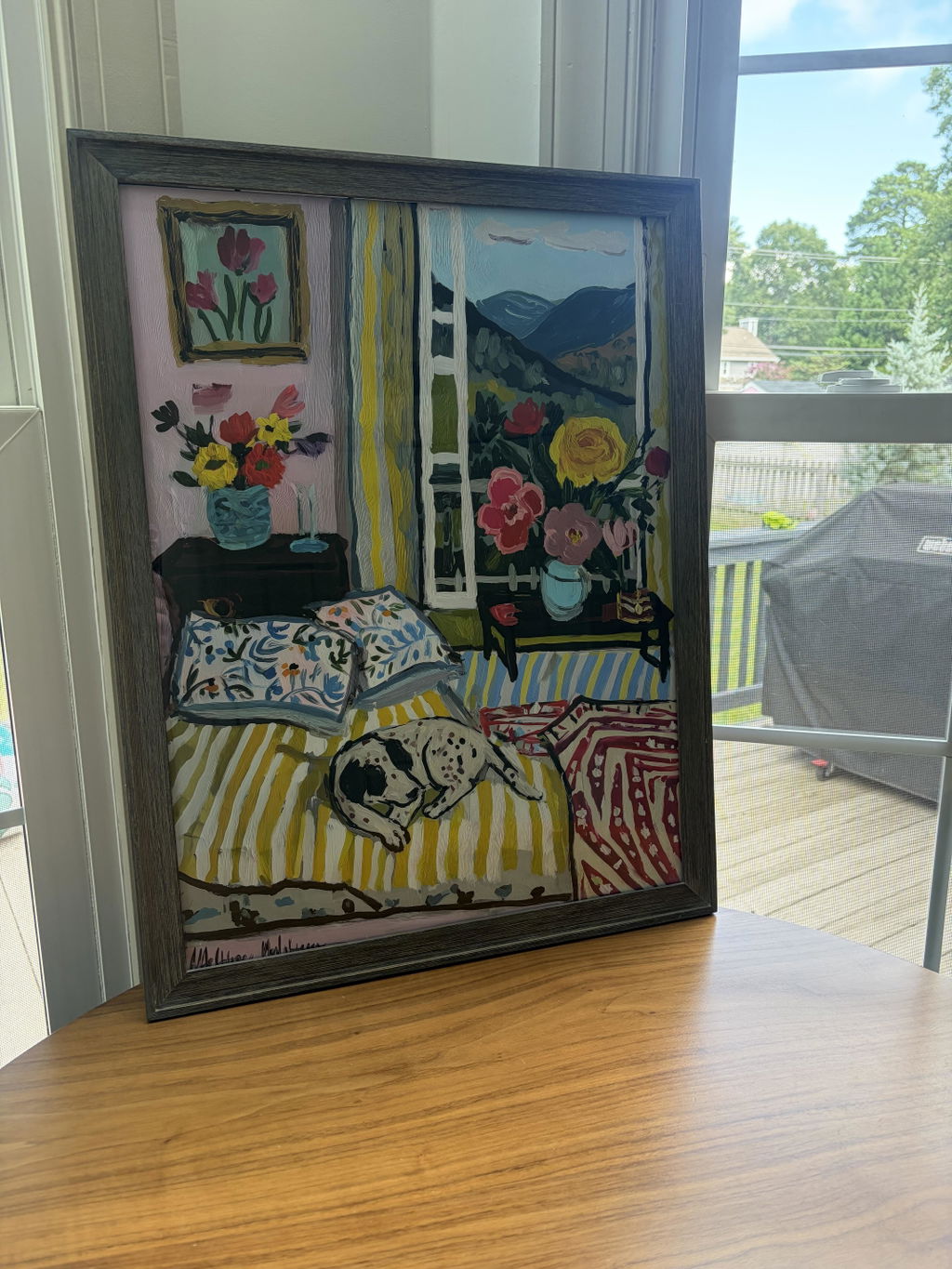
Love it. So cute, and works so well in a frame I already had.
 Reviewed
Sunny Retreat with Pup Art Print →
Reviewed
Sunny Retreat with Pup Art Print →
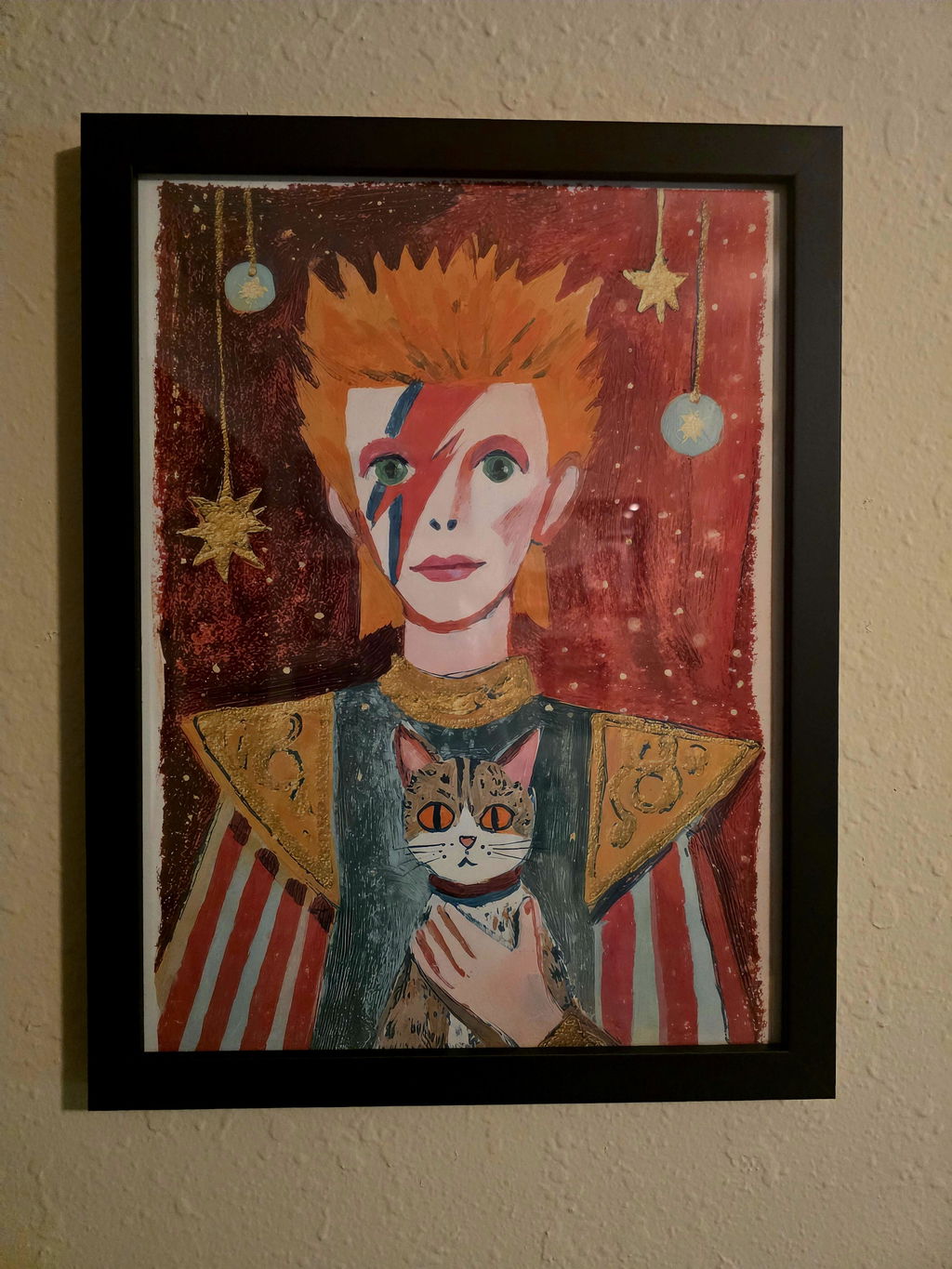
Fantastic piece! Brought it framed
Fantastic piece! Brought it framed, and the frame is solid and enhanced the print perfectly!
 Reviewed
Ziggy & Cat Art Print →
Reviewed
Ziggy & Cat Art Print →







Gift Ideas For Animal Lovers, From The Frame
Ideas on choosing animal art as a gift from The Frame, Fab's blog.

Art Prints as Gifts: The Complete Guide to Givi...
Giving art feels risky because it sits on someone's wall every day, judging your taste. The good news: there's a small, reliable playbook that takes most of the anxiety out...
 Questions about animal lover gifts



Fab's art experts on choosing for someone else, framing, delivery and returning it if it misses.