
 Order today for delivery by
 Pagoda Art Prints
Pagodas have been painted for centuries, and the mood changes completely with the treatment. Soft, faded temple scenes feel calm and low-key; bold graphic versions with deep reds give a hallway a jolt of colour. Many place the tower in wider scenery, so it's worth browsing Japanese garden art prints and cherry blossoms art prints beside these, or Mount Fuji art prints when you want a bigger horizon behind the roofline.


No products found
More Fab art curations



Pagoda Reading: Notes From The Frame
Ideas on hanging height, scale and building a calmer wall from The Frame, Fab's blog.
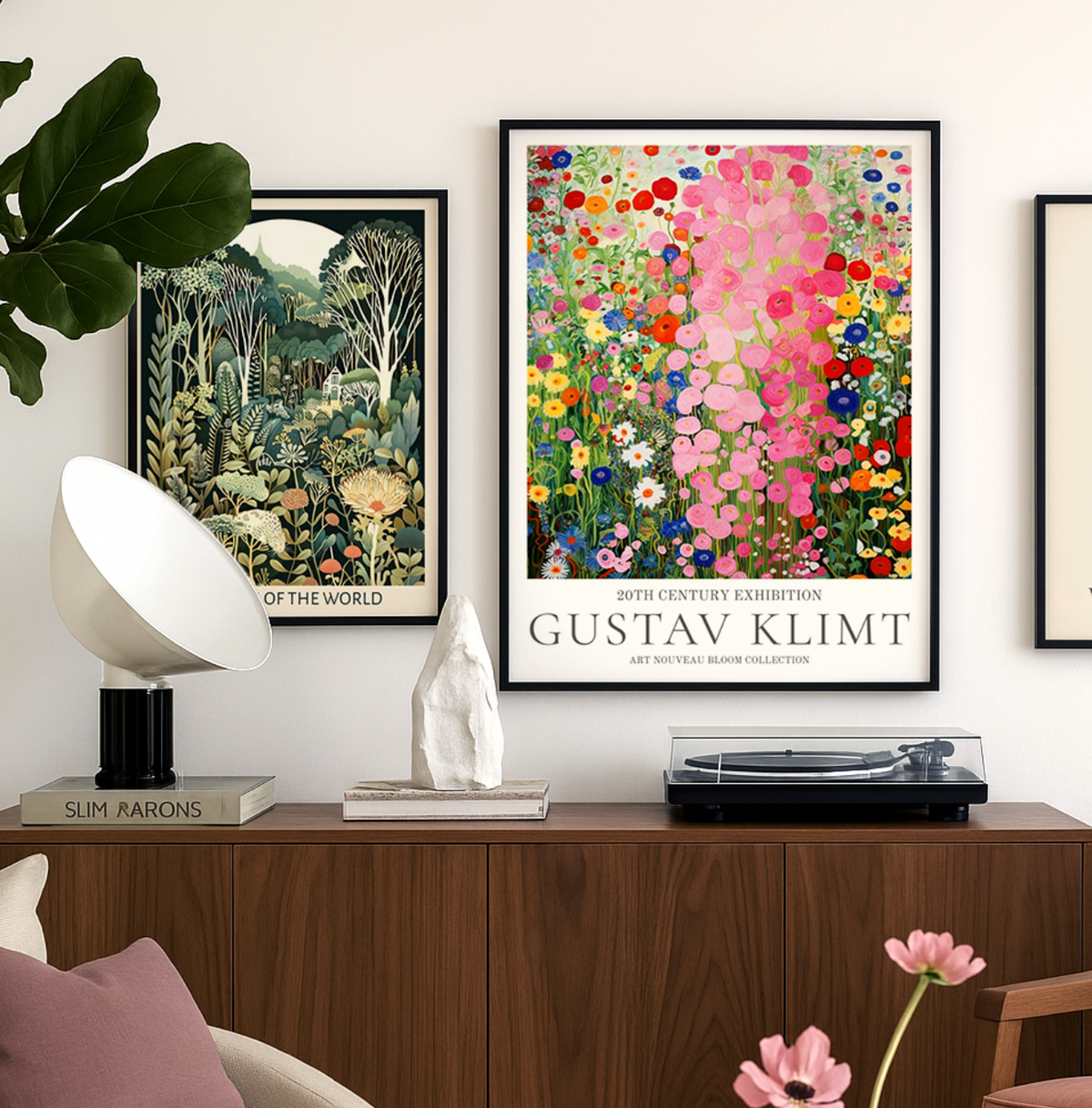
Discover Gustav Klimt Art Prints with Fab
Gustav Klimt wasn’t just an artist — he was a master of seduction through pattern, color, and symbolism. At Fab, we celebrate his work not just as art history, but...
Art for Bedrooms: Calm, Romantic, or Bold?
Your bedroom is the most personal room in your home. It's where you start and end each day, where you retreat when you need space, where you go to feel...
Starter Art Prints for First-Time Buyers
A blank wall can be intimidating. You know you want art, but where do you even start? You scroll through endless options online, walk through galleries feeling lost, or stare...
 Questions about pagoda prints



Short answers on framed and unframed choices, picking a size, delivery and sending something back