
 Order today for delivery by
 Rocks Art Prints
Rocks turn up in art in wildly different moods: sea stacks bitten by weather, smooth grey boulders in a river, cracked desert stone under hard light, close studies of mineral colour. Here you can shop them all in one place. Cool granite tones sit well in a bathroom or hallway; warmer ochres suit a living room. If you want softer water and sand, try Pebble Beach Art Prints or Shoreline Art Prints.


No products found
More Fab art curations



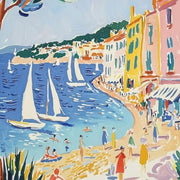
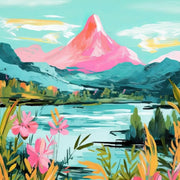


Stone, Sea And Sky: Notes From The Frame
Ideas on pairing rugged landscape prints with the rooms you live in from The Frame, Fab's blog.
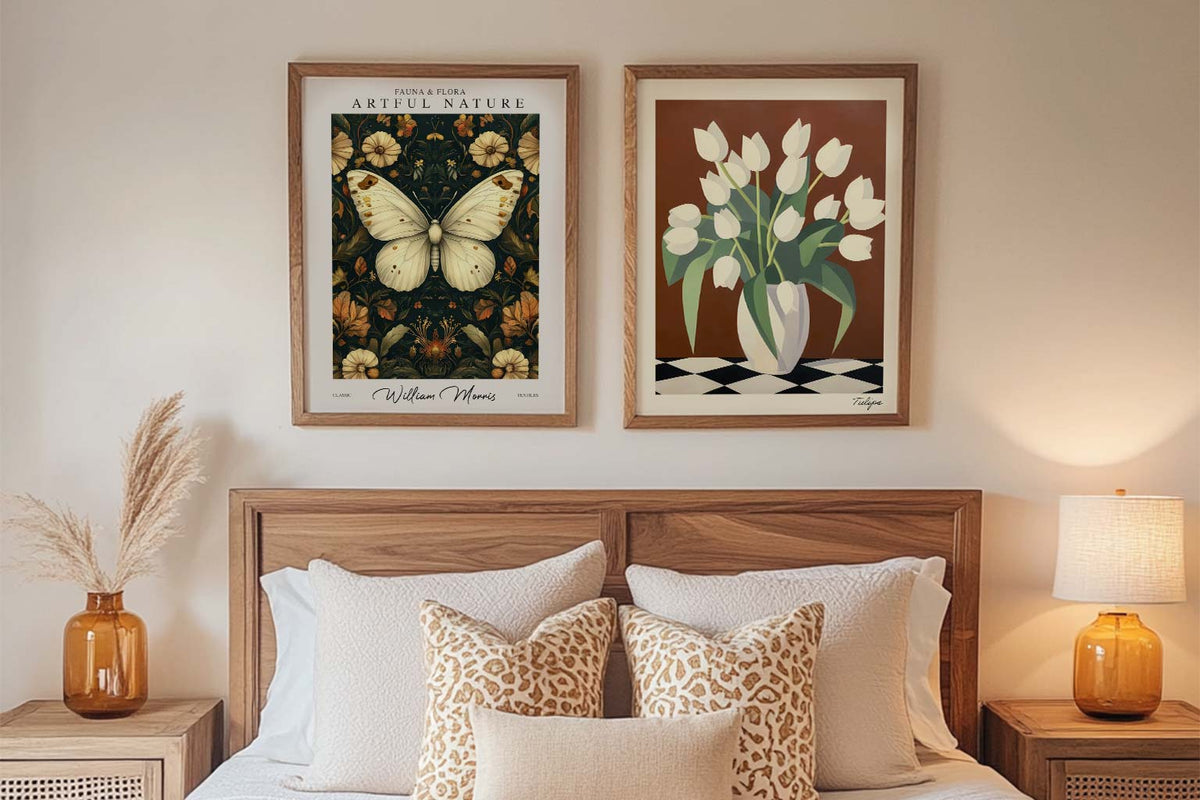
Starter Art Prints for First-Time Buyers
A blank wall can be intimidating. You know you want art, but where do you even start? You scroll through endless options online, walk through galleries feeling lost, or stare...
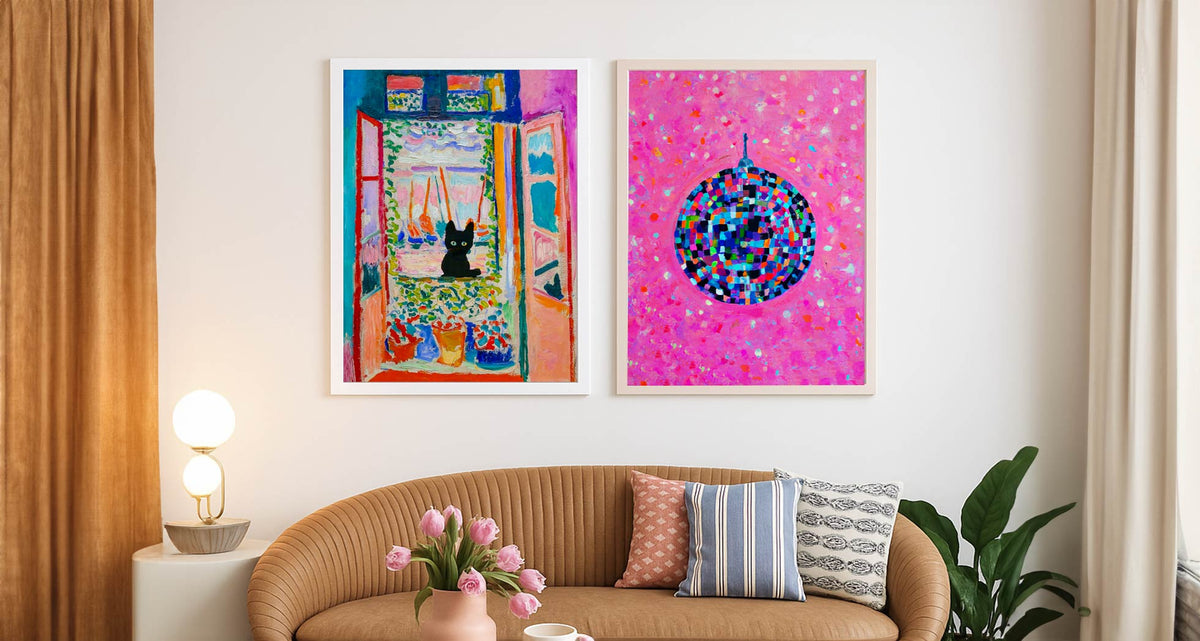
How to Personalise a Rented Home with Wall Art
You're staring at beige walls that scream "rental property" and wondering how to make this place feel like you actually live here. You love art, but the lease says no...
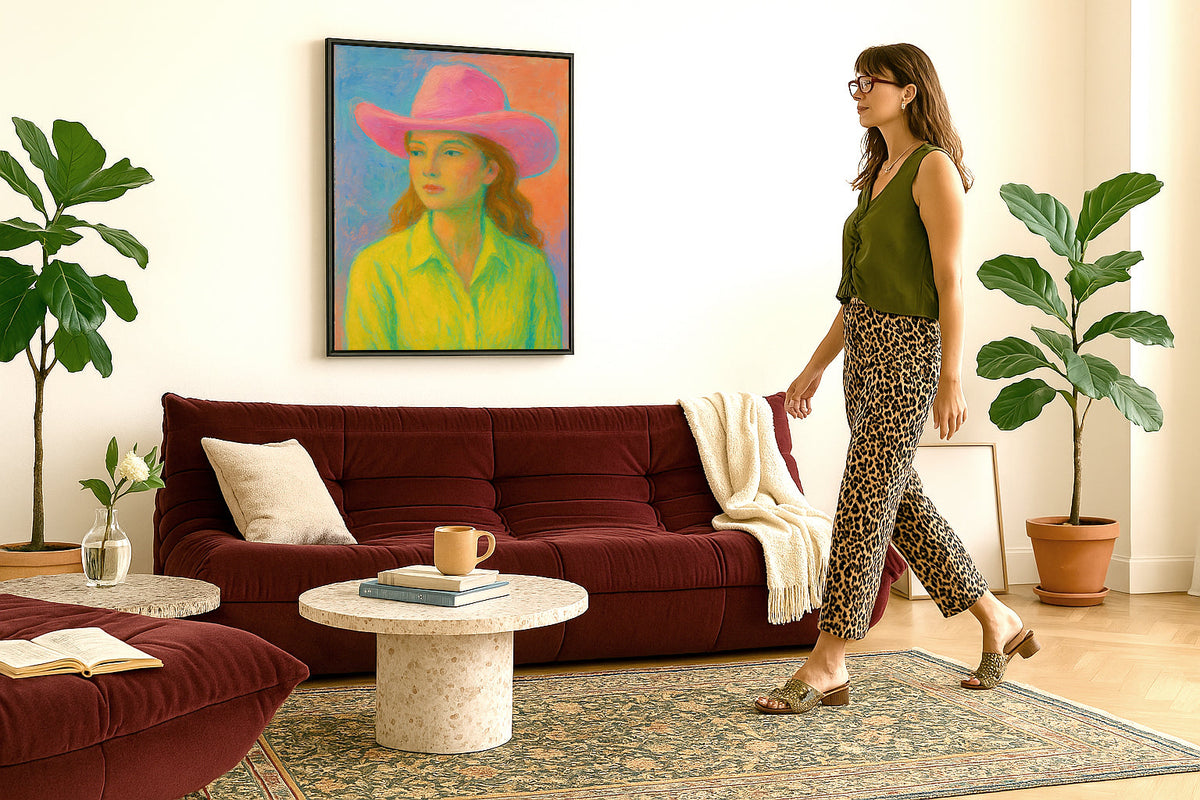
Choosing Art That Fits Your Personality
You walk into someone's home and immediately know something about who they are. Not from their furniture or paint colors, but from the art on their walls. It tells you...
 Questions about rock art prints



Short answers on framing choices, sizing for your wall, colour matching and what happens after you order