Fine Wind, Clear Morning by Hokusai Art Print Black

Fine Wind, Clear Morning by Hokusai Art Print

Sale price From £11.95 £19.95
Hokusai Heroic Warrior Art Print Brown

Heroic Warrior by Katsushika Hokusai Art Print

Sale price From £11.95 £19.95
Edo Bay Sunset by Hiroshige Art Print Brown
Kirifuri Waterfall by Hokusai Art Print White

Kirifuri Waterfall by Hokusai Art Print

Sale price From £11.95 £19.95
River Dusk by Hiroshige Art Print Black

River Dusk by Utagawa Hiroshige Art Print

Sale price From £11.95 £19.95
Cranes Beneath a Pine on Gold Art Print Oak
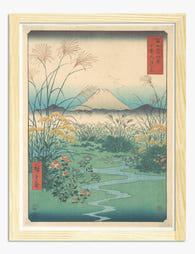
Cranes Beneath a Pine on Gold Art Print

Sale price From £11.95 £19.95
Hokusai’s Tranquil Harbor Art Print Brown
Winter Crossing by Hiroshige Art Print Black

Winter River Crossing by Hiroshige Art Print

Sale price From £11.95 £19.95
Cherry Blossoms by Hokusai Art Print Oak

Cherry Blossoms by Hokusai Art Print

Sale price From £11.95 £19.95
Hokusai River Journey Art Print Black

Hokusai Poem by Chunagon Yakamochi Art Print

Sale price From £11.95 £19.95
Hokusai Warbler & Roses Art Print Oak

Hokusai Warbler and Roses Art Print

Sale price From £11.95 £19.95

More Fab art curations

Buying ukiyo-e prints: your questions

Short answers on framing choices, picking a subject, hanging spots, delivery and returns

Need more help? Contact our team here

What is the most famous ukiyo-e print?

Katsushika Hokusai's "Under the Wave off Kanagawa," widely known as "The Great Wave," is the most recognized ukiyo-e image in the world. It comes from his landscape series featuring Mount Fuji, made during the height of Japanese woodblock printing in the Edo period. Hiroshige's travel and road scenes are close runners-up, and wave, water and Mount Fuji motifs remain the most requested subjects for decorative reproductions today.

What does "ukiyo" mean in Japanese?

"Ukiyo" translates roughly as "floating world," and "e" means picture, so ukiyo-e means "pictures of the floating world." The name refers to the fashionable pleasure districts, theaters and everyday urban life of Japan's Edo period (1603–1868), a prosperous era of peace. That focus on daily life, entertainment, travel and the seasons is why the imagery still feels lively and approachable on a wall.

How do I style ukiyo-e prints in a modern room?

Ukiyo-e reproductions pair naturally with Japandi and minimalist interiors, where pale wood, linen and off-white walls let the flat colour areas and fine outlines stand out. Use one large piece above a sofa or bed as a calm focal point, or group two or three related scenes in matching frames for a gallery-style run. Slim black or natural-wood frames echo the original woodblock line work without competing with it.

Are ukiyo-e reproductions a good alternative to original woodblock prints?

For decorating, yes. Original Edo-period woodblock prints are sold through specialist galleries and are limited in supply and condition, while reproductions let you enjoy the same iconic imagery at wall-art prices and in the size that suits your room. Fab offers decorative reproductions rather than originals or collectible editions, with free shipping and 99 days to return anything that doesn't work in your space.